What Is HVAC?
HVAC stands for Heating, Ventilation, and Air Conditioning. It’s a system designed to regulate indoor temperature, humidity, and air quality, ensuring your home feels comfortable no matter the season. Think of it as your home’s climate control superhero, tackling everything from icy winters to sweltering summers.
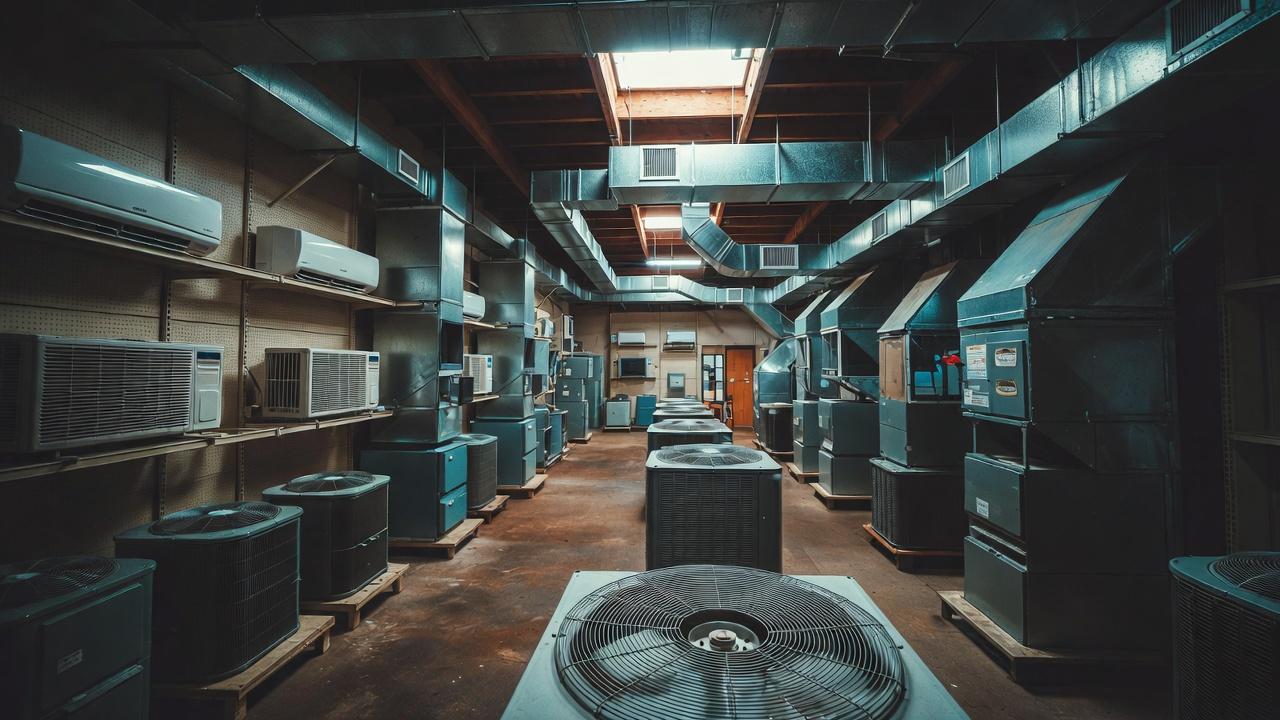
At its core, an HVAC system includes components like furnaces, air conditioners, heat pumps, ductwork, thermostats, and air handlers. These work together to heat or cool air, circulate it through your home, and maintain a healthy indoor environment. But HVAC isn’t just about temperature—it’s also about keeping the air you breathe clean and fresh through ventilation and filtration.
Why does this matter? A well-functioning HVAC system doesn’t just make you comfortable; it improves energy efficiency, lowers utility bills, and even boosts your health by reducing allergens and pollutants. Let’s break down the key components and explore how they work their magic.
The Heart of HVAC: Key Components Explained
Heating: Your Winter Warrior
When the temperature drops, your heating system kicks into gear. Most homes rely on one of these heating methods:
-
Furnaces: These powerhouses burn fuel (like natural gas or oil) or use electricity to heat air, which is then distributed through ducts. Gas furnaces are common for their efficiency, while electric ones are safer and easier to maintain.
-
Heat Pumps: A versatile option, heat pumps transfer heat from outside to inside during winter (yes, even cold air has some heat to extract!). They’re eco-friendly and double as air conditioners in summer.
-
Boilers: These heat water or steam, which travels through radiators or underfloor pipes to warm your home. They’re less common but prized for their consistent, cozy heat.
Each heating system has its quirks, but they all share a goal: keeping you toasty when Jack Frost comes knocking.
Cooling: Beating the Summer Heat
When the sun turns your home into an oven, air conditioning saves the day. Most cooling systems fall into two categories:
-
Central Air Conditioning: This uses a compressor and condenser (usually outside) to cool air, which is then circulated through ducts. It’s ideal for whole-home cooling.
-
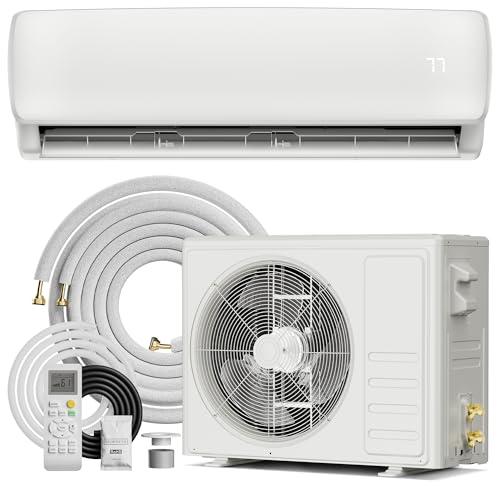
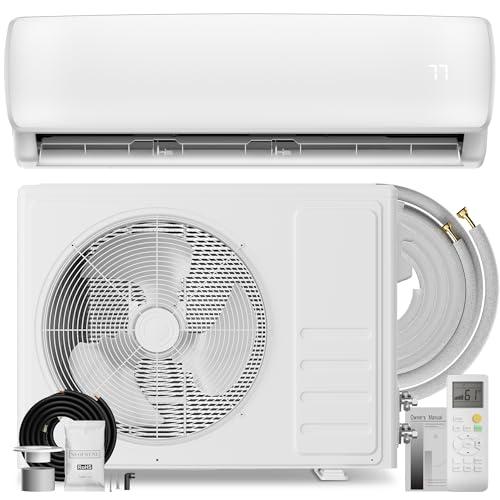
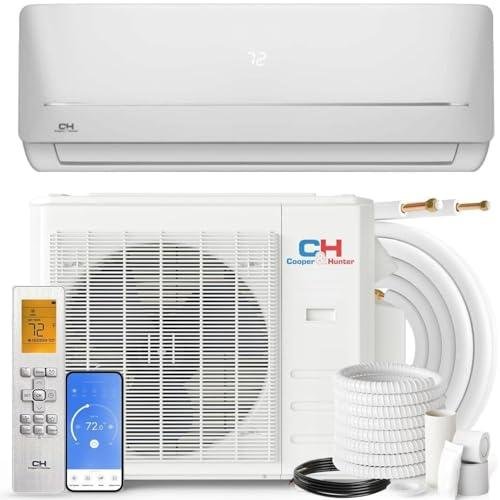
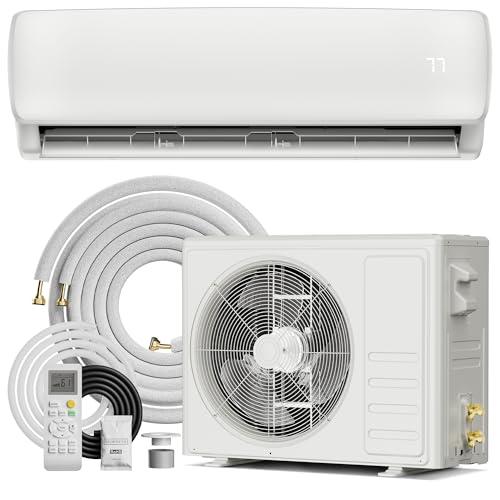
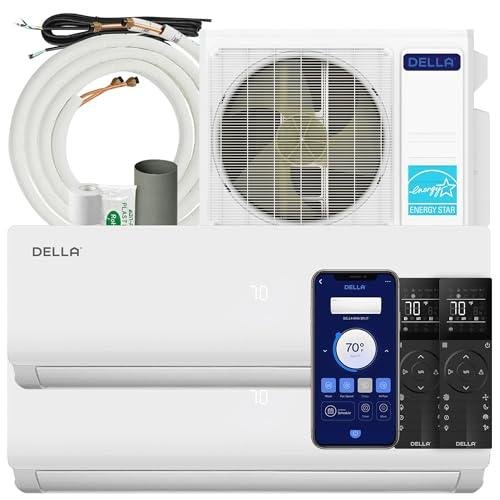
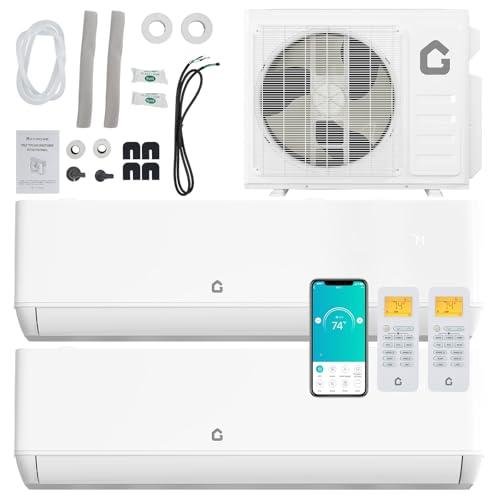
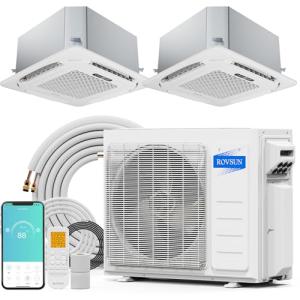
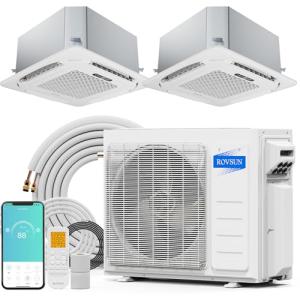
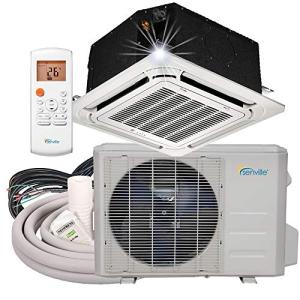
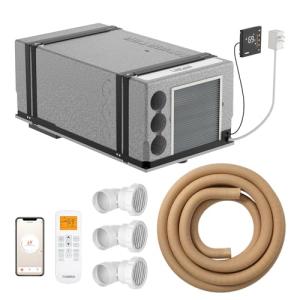
Ductless Mini-Splits: Perfect for homes without ductwork, these systems have an outdoor unit connected to indoor air handlers mounted on walls. They’re energy-efficient and great for zoning (cooling specific areas).
Both systems rely on refrigerants to absorb heat from inside your home and release it outside, leaving you with crisp, cool air.
Ventilation: The Breath of Fresh Air
Ventilation is the unsung hero of HVAC. It ensures fresh air circulates while removing stale air, odors, and pollutants. There are two main types:
-
Natural Ventilation: Think open windows or vents. It’s free but depends on weather and outdoor air quality.
-
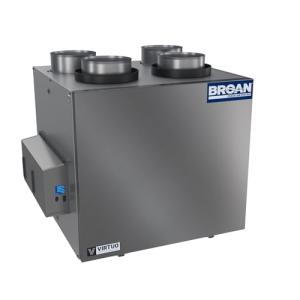
Mechanical Ventilation: This uses fans and duct systems to move air. Examples include exhaust fans in bathrooms or whole-house ventilation systems that filter incoming air.
Proper ventilation prevents mold, reduces allergens, and keeps indoor air quality high—crucial for your health and comfort.
The Glue: Ducts, Thermostats, and More
Other HVAC components tie the system together:
-
Ductwork: A network of tubes that distributes heated or cooled air throughout your home. Leaky ducts can waste energy, so regular inspections are key.
-
Thermostats: The brain of your HVAC, thermostats let you control temperature. Smart thermostats, like Nest or Ecobee, learn your habits and optimize energy use.
-
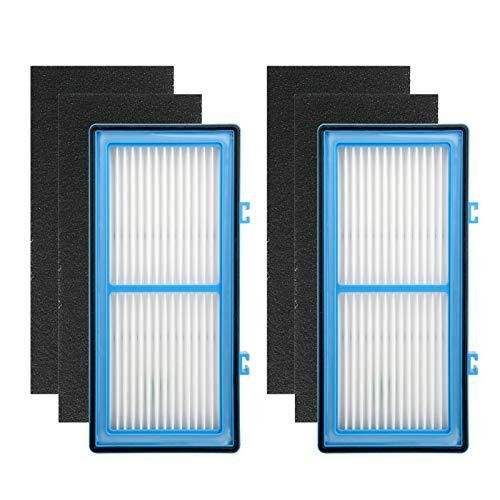
Air Filters: These trap dust, pollen, and other particles, keeping your air clean and your system running smoothly. Replace them every 1-3 months for best results.
Together, these components create a seamless system that keeps your home comfortable and efficient.
Why HVAC Matters: Beyond Comfort
A great HVAC system does more than keep you cozy—it impacts your wallet, health, and even the planet. Here’s why it’s worth paying attention to:
Energy Efficiency and Cost Savings
HVAC systems account for about 50% of a home’s energy use, according to the U.S. Department of Energy. An inefficient system can send your utility bills soaring. Modern HVAC units, especially those with high SEER (Seasonal Energy Efficiency Ratio) or AFUE (Annual Fuel Utilization Efficiency) ratings, use less energy to deliver the same comfort. For example, upgrading to a heat pump could cut your heating costs by up to 50% compared to an old furnace.
Smart thermostats also help by adjusting temperatures when you’re away or asleep. Some even connect to apps, letting you control your system from anywhere. Small changes, like sealing ducts or adding insulation, can further boost efficiency and save you hundreds annually.
Health and Indoor Air Quality
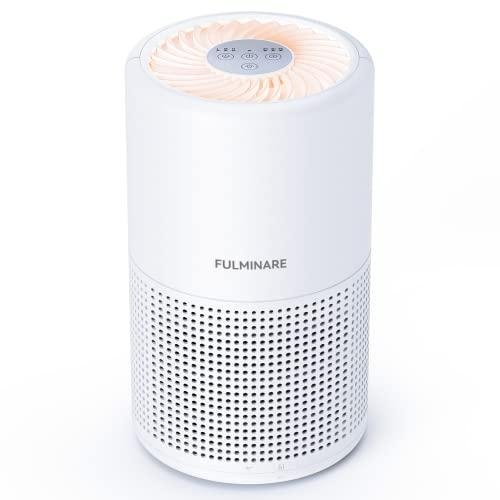
Poor air quality can trigger allergies, asthma, or respiratory issues. HVAC systems with good filtration and ventilation remove dust, pet dander, mold spores, and even volatile organic compounds (VOCs) from household products. High-efficiency particulate air (HEPA) filters or UV air purifiers can take this a step further, zapping bacteria and viruses.
Humidity control is another health perk. HVAC systems with dehumidifiers prevent mold growth in summer, while humidifiers add moisture in winter to ease dry skin and sinus issues. Balanced humidity (around 30-50%) creates a healthier, more comfortable home.
Environmental Impact
Energy-efficient HVAC systems reduce your carbon footprint. Heat pumps, for instance, use electricity (which can come from renewable sources) instead of fossil fuels. Choosing a system with eco-friendly refrigerants, like R-32 or R-410A, also minimizes harm to the ozone layer. By maintaining your HVAC and upgrading when needed, you’re doing your part for a greener planet.
Choosing the Right HVAC System for Your Home
With so many options, picking the right HVAC system can feel overwhelming. Here’s a step-by-step guide to make it easier:
Step 1: Assess Your Needs
Consider your home’s size, climate, and layout. A small apartment might only need a ductless mini-split, while a large house in a cold region may require a powerful furnace or boiler. Ask yourself:
-
Do I need whole-home or zoned heating/cooling?
-
Is my home well-insulated, or do I lose a lot of heat?
-
What’s my budget for upfront costs and long-term energy bills?
Step 2: Understand Efficiency Ratings
Look for systems with high efficiency ratings:
-
SEER: For air conditioners and heat pumps, aim for 14 or higher.
-
AFUE: For furnaces, 90% or above is excellent.
-
HSPF: For heat pumps, a Heating Seasonal Performance Factor of 8 or more is ideal.
Higher ratings mean better efficiency but often come with a higher upfront cost. Balance this with your budget and how long you plan to stay in your home.
Step 3: Consider Fuel Sources
Your options depend on what’s available in your area:
-
Electricity: Powers heat pumps and electric furnaces. It’s clean but can be pricey in some regions.
-
Natural Gas: Common for furnaces and boilers. It’s often cheaper than electricity but less eco-friendly.
-
Oil or Propane: Used in areas without gas lines. These are effective but require storage tanks.
Step 4: Get Professional Input
Hire an HVAC contractor to perform a load calculation (using Manual J) to determine the right system size. An oversized unit will cycle on and off too often, wasting energy, while an undersized one won’t keep up. Ask for quotes from multiple contractors and check reviews to ensure quality work.
Step 5: Explore Incentives
Many governments and utilities offer rebates or tax credits for energy-efficient HVAC systems. Check EnergyStar.gov or your local utility’s website for deals that could save you thousands.
Maintaining Your HVAC System: Tips for Longevity
An HVAC system is a big investment, so proper maintenance is key to keeping it running smoothly for 10-20 years. Here’s how to care for it:
Regular Filter Changes
Swap out air filters every 1-3 months, depending on your system and household (pets or allergies may require more frequent changes). Clogged filters reduce airflow, strain your system, and let allergens circulate.
Annual Tune-Ups
Schedule professional maintenance once a year—ideally in spring for cooling and fall for heating. Technicians will clean components, check refrigerant levels, inspect ducts, and catch small issues before they become costly repairs.
Clean Ducts and Vents
Dust and debris can build up in ducts, reducing efficiency and air quality. Have ducts professionally cleaned every 3-5 years, and vacuum vents regularly to keep airflow strong.
Monitor Your Thermostat
Set your thermostat to energy-saving temperatures—around 68°F in winter and 78°F in summer when you’re home. Programmable or smart thermostats make this easy by adjusting automatically.
Watch for Warning Signs
Unusual noises, uneven heating/cooling, or spiking energy bills could signal a problem. Don’t ignore these—call a professional to diagnose and fix issues early.
The Future of HVAC: Smart and Sustainable
The HVAC industry is evolving, driven by technology and a push for sustainability. Here’s what’s on the horizon:
Smart HVAC Systems
Smart thermostats are just the beginning. Future HVAC systems will integrate with home automation, using AI to predict your preferences and optimize energy use. Sensors could detect occupancy, adjusting temperatures room by room for maximum efficiency.
Renewable Energy Integration
As solar and wind power become more accessible, HVAC systems are being designed to run on renewable energy. Heat pumps, already eco-friendly, will pair with solar panels to create near-zero-carbon homes.
Advanced Air Purification
Post-pandemic, air quality is a top priority. Expect HVAC systems with built-in UV-C lights, electrostatic filters, and even nanotechnology to remove ultrafine particles and pathogens.
Geothermal Heat Pumps
These use the earth’s stable underground temperature to heat and cool homes, offering unparalleled efficiency. While expensive to install, they’re gaining traction as long-term costs drop.
Common HVAC Myths Debunked
Let’s clear up some misconceptions that could cost you comfort or cash:
-
Myth: Closing vents in unused rooms saves energy.
Truth: This can increase pressure in your system, causing leaks and inefficiency. Use a zoned system instead.
-
Myth: Bigger HVAC systems are better.
Truth: Oversized units waste energy and don’t dehumidify properly. Size matters—get it right.
-
Myth: You only need maintenance when something breaks.
Truth: Regular tune-ups prevent breakdowns and extend your system’s life.
Troubleshooting Common HVAC Problems
Even the best systems can hiccup. Here’s how to handle common issues:
-
System Won’t Turn On: Check the thermostat settings and circuit breaker. If those are fine, call a pro—it could be a wiring or component issue.
-
Weak Airflow: Replace the filter and check for blocked vents. If the problem persists, your ducts or blower may need cleaning or repair.
-
Strange Noises: Rattling, banging, or squealing could indicate loose parts, debris, or a failing motor. Don’t wait—get it checked.
-
Uneven Temperatures: This might be due to poor insulation, leaky ducts, or an undersized system. A contractor can diagnose the root cause.
HVAC for Renters: What You Need to Know
If you rent, you may have less control over your HVAC system, but you can still optimize comfort:
-
Talk to Your Landlord: If the system is outdated or inefficient, ask about upgrades. Some landlords qualify for rebates that make it a win-win.
-
Use Portable Solutions: For apartments without central HVAC, portable air conditioners or space heaters can help. Look for energy-efficient models.
-
Maintain What You Can: Change filters (with permission) and keep vents clear to improve performance.
-
Invest in Fans: Ceiling or box fans can circulate air, reducing the load on your HVAC and keeping rooms comfortable.